Journal
Is Middle Eastern Food Healthy? An Honest Look
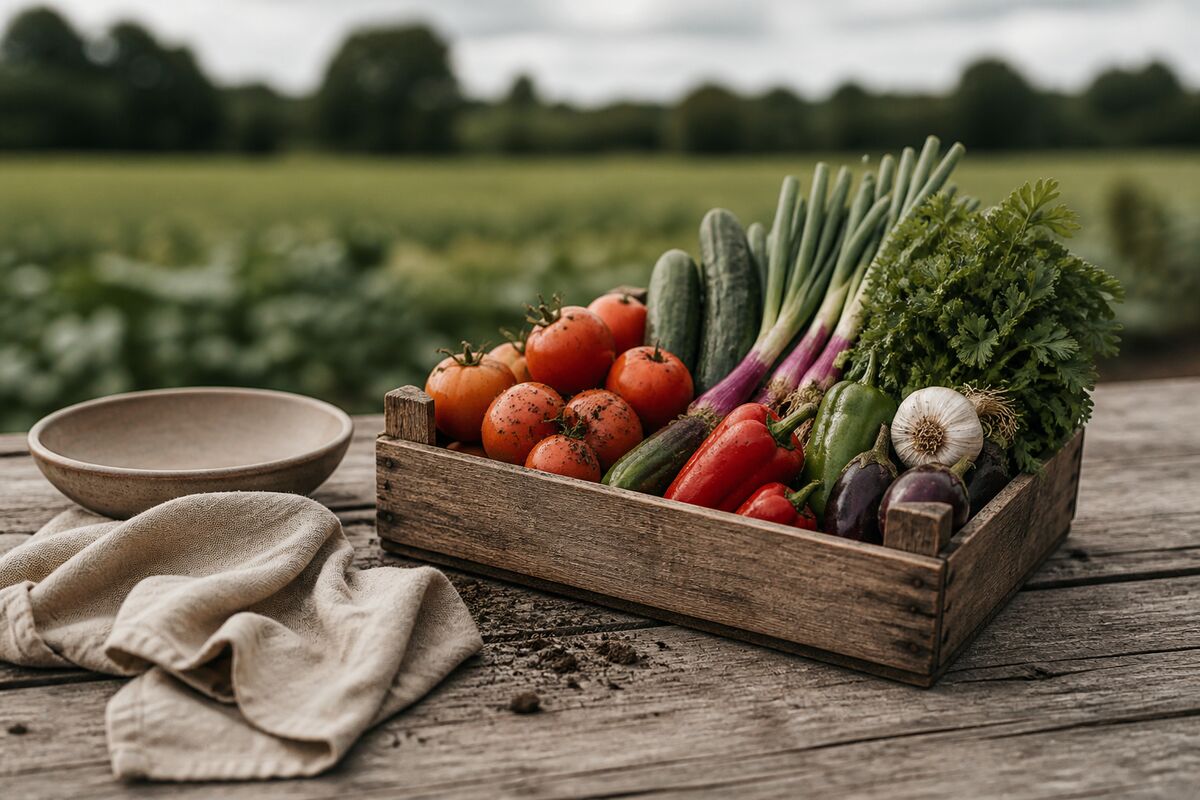
It depends on what you order, the same as any cuisine. The everyday core of Middle Eastern cooking is vegetables, legumes, grains, olive oil and grilled meat, which sits close to what Canada’s food guide describes. The celebration end, deep fried pastry and syrup soaked sweets, sits somewhere else entirely.
This is an honest look at both halves. What is actually in the food, where it agrees with Canada’s national guidance, where it does not, and how to read a Middle Eastern menu with your eyes open. One thing first: we cook, we are not dietitians. Nothing here is dietary or medical advice, and anything specific to your own health belongs with your own health care provider.
What is actually in a typical Middle Eastern meal?
Take an inventory of a normal spread before anyone adds anything special to it. Chickpeas, eggplant, red peppers, tomatoes, cucumbers, onions, lettuce, parsley, mint, lemon, garlic, olive oil, sesame paste, rice, cracked wheat, yogurt, and meat cooked over fire.
That list is the answer to most of the question. This is a cuisine of vegetables and legumes with meat used generously but not as the entire structure of a meal, which is why so much of a mezze table is plant based before anybody asks for it to be. Our guide to the ingredients that define Middle Eastern cooking walks through the pantry in detail.
The meat is the other half of the picture, and how it is cooked matters. Skewers go over charcoal without a batter, a breading or a fryer. Our piece on how Middle Eastern skewers are grilled covers what the fire does to them.
Where does Middle Eastern food line up with Canada’s food guide?
In four specific places, and it is worth quoting the guidance rather than paraphrasing it, because national guidance is more useful than a restaurant’s opinion of itself.
Canada’s food guide asks people to choose protein foods that come from plants every day, naming beans, lentils, nuts and seeds, and noting that plant based protein foods can provide more fibre and less saturated fat than other protein foods. Chickpeas, lentils, tahini and fava beans do a great deal of the work in this cuisine.
It also suggests making half your plate vegetables and fruits and eating dark green vegetables every day. A tabbouleh built mostly of parsley is an unusual thing to find on a restaurant menu in that light.
On fat, the guide makes a point people often miss: the type of fat you eat over time matters more for health than the total amount, and it lists nuts, seeds and vegetable oils among foods containing healthy fats. Olive oil, sesame and walnuts are not incidental to this cuisine, they are load bearing.
And on grains, the guide notes that whole grain foods have more fibre than refined grains. Bulgur, the cracked wheat inside tabbouleh and kibbe, is named on that page among the whole grain foods worth eating.
None of that makes any single meal healthy. It describes the raw material a cuisine is built from, which is a different and more modest claim.
Where does it not line up? The honest half
Here is the part most restaurant articles skip. Middle Eastern food also includes a deep fryer, a lot of salt in its preserved foods, and a dessert tradition that runs on sugar syrup.
Canada’s food guide advises limiting highly processed foods because they add excess sodium, sugars or saturated fat, and it names processed meats specifically. Cured sausage belongs to that family. On salt, Health Canada estimates the average daily sodium intake of Canadians at about 2760 mg against a recommended maximum of 2300 mg, with 77 percent of dietary sodium coming from commercially processed and prepared foods. Olives, pickles, brined cheeses, preserved meats and salted yogurt drinks are all traditionally salty foods, and a mezze table can carry several of them at once.
Then there is dessert. Baklava, knafeh and maamoul are pastry, butter, nuts and sugar syrup, which is exactly what makes them worth the trouble. Our guide to Middle Eastern desserts is a celebration of them, not a nutrition brief, and that is the honest framing.
The last one is portion, not ingredient. A shared table encourages grazing across many dishes for a long time, which is a genuinely lovely way to eat and also an easy way to eat more than you planned.
Grilled, fresh, fried or syruped: how do the styles compare?
Preparation method tells you more at a glance than any ingredient list. Here is how the main families of Middle Eastern dishes actually differ.
| Style | Typical dishes | Mostly made of | What to notice |
|---|---|---|---|
| Fresh and raw | Tabbouleh, chopped salads, fattoush | Herbs, vegetables, lemon, olive oil | Fattoush carries fried bread |
| Legume based | Hummus, mujaddara, foul, lentil soup | Chickpeas, lentils, tahini, olive oil | Rich in oil and tahini, generously served |
| Grilled | Kabab, shish tawook, grilled vegetables | Meat or vegetables and spice | No batter, no fryer, salt varies |
| Baked and stewed | Stuffed vegetables, bakes, rice dishes | Vegetables, rice, meat, tomato | Butter or ghee is common |
| Fried | Falafel, sambousek, some kibbe | Dough or legume batter in hot oil | Frying oil is shared with other items |
| Preserved | Olives, pickles, cured sausage, brined cheese | Salt, brine, time | The saltiest corner of the table |
| Sweet | Baklava, knafeh, maamoul, halva | Pastry, nuts, butter, sugar syrup | Rich by design, that is the point |
Does eating this way, at a shared table, change anything?
Canada’s food guide takes the format of a meal seriously, not only its contents, and it says two things that describe a Middle Eastern table almost exactly.
The first is that eating meals with others is a part of healthy eating, listing sharing food traditions across generations and cultures among the reasons. The second is that cultures and food traditions can be a part of healthy eating. A mezze spread is not a stack of individual entrees. It is a table people reach across, which is the whole design.
We are not going to claim that eating hummus does anything for anybody. What we will say is that this is a cuisine built around slow, shared, talkative meals, and that Health Canada thinks that format is worth something on its own.
How do you read a Middle Eastern menu with your eyes open?
By asking about method, which is precisely what the food guide suggests. Its page on choosing healthy menu options recommends finding out how items are prepared and notes you can often get that information simply by asking.
Four questions do most of the work:
- Is it grilled, baked or fried? The menu often will not say, and the answer changes the dish more than any ingredient does.
- What is the dip served with, and how much bread comes with it?
- Is there a salad on the table, or only starch and meat?
- Which items are the preserved, salty ones, so you know where the salt is concentrated rather than guessing?
If you are new to the cuisine, our guide to ordering Middle Eastern food for the first time walks through how a spread is put together, and what mezze is and how to order it covers how to balance a table across several dishes.
We do not have analysed nutrition panels for our food and we are not going to invent them. What we can do is tell you what is in a dish and how it was cooked. See the menu, then call (819) 743-5953 and ask.
Frequently asked questions
Is Middle Eastern food healthy?
It depends on what you order, the same as any cuisine. The weekday core is vegetables, legumes, grains, olive oil and grilled meat, which sits close to what Canada's food guide describes. The feast end is deep fried food and pastry soaked in syrup. Both are real parts of the cuisine and it is worth knowing which one you are ordering.
Is hummus healthy?
Hummus is chickpeas, tahini, lemon and garlic. Canada's food guide asks people to choose protein foods that come from plants every day, noting they can provide more fibre and less saturated fat than other protein foods, and chickpeas are one of the plant protein foods it names. What a dip does inside your whole eating pattern is a question for you and your health care provider, not for a restaurant.
Is Middle Eastern food high in calories?
We do not publish calorie counts, because the honest numbers depend on portion, preparation and what a kitchen puts in a dish, and most figures circulating online are estimates. The clearer signal is method: grilled and fresh sits differently from deep fried and syrup soaked, and you can see which is which on any menu.
Is Middle Eastern food high in salt?
Some of it, yes. Olives, pickles, preserved cheeses, cured sausage and salted yogurt drinks are all traditionally salty, and Health Canada estimates the average Canadian takes in about 2760 mg of sodium a day against a recommended maximum of 2300 mg. The fresh salads, plain rice and grilled dishes are the quieter end of the same table.
Is grilled or fried Middle Eastern food the better choice?
Canada's food guide suggests finding out how menu items are prepared, and notes you can often get that information simply by asking. Grilling over charcoal adds flavour without adding a coating or a fryer, which is why so much of this cuisine is built around a grill. Fried items are real and traditional too, they are just a different kind of dish.
Can you tell me the nutrition information for your dishes?
No, and we would rather say so plainly than invent it. We are a small family kitchen, not a lab, and we do not have analysed nutrition panels for our food. What we can do is tell you exactly what goes into a dish and how it is cooked. Call us at (819) 743-5953 and ask.
Salma’s Kitchen cooks Armenian and Middle Eastern food in Abbotsford, BC. See the menu, our catering service areas, or how to order. Phone only: (819) 743-5953.